Does whey make you fat? Work it out from calories per scoop
The short answer: whey does not make you fat by itself. Weight goes up or down with the energy you eat across the day against the energy you use. A scoop of whey is one portion of energy that counts together with your rice and everything else that day.
What moves body weight
The International Society of Sports Nutrition (ISSN) position stand on diets and body composition (2017) concludes that fat loss is driven by a sustained calorie deficit, that gaining lean mass is driven by a sustained calorie surplus, and that the size and make-up of the surplus shape what the gain is made of.
How much energy is in a scoop?
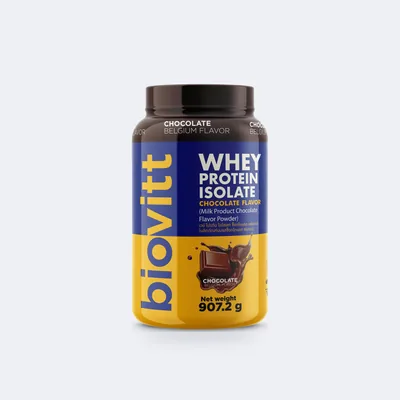
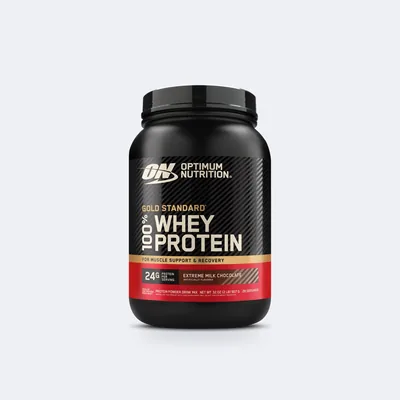
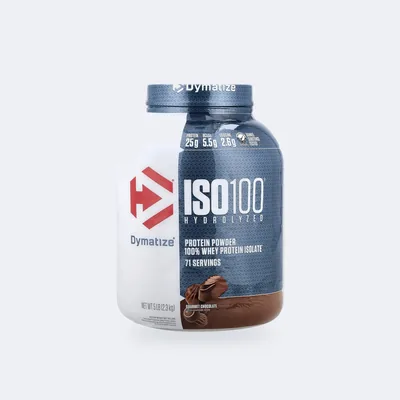
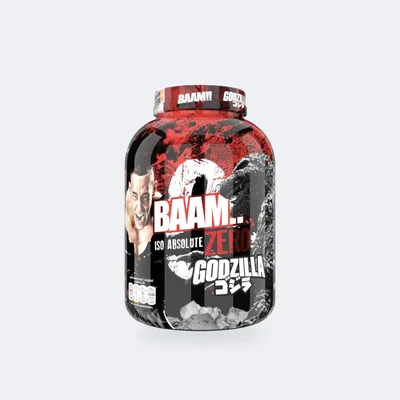
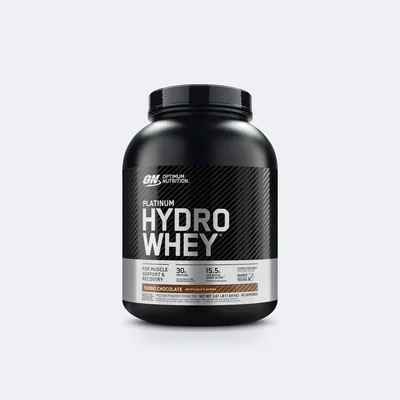
By the labels of the whey we stock, one scoop gives 80–220 kcal. For example, Ultimate Nutrition ISO Sensation 93 gives 30 g of protein from 120 kcal. By contrast, mass gainers give 1,050–2,000 kcal per serving, several times more than whey. If your weight is rising faster than you expected, first check whether your tub is whey or a mass gainer; the type is printed on the label.
What you mix it with counts too
The U.S. Food and Drug Administration (FDA) explains that label figures are for one serving, so two servings means double the calories. Two scoops of whey a day therefore give twice the energy on the label. Mixed with milk or soy milk, add the energy from the milk label as well; mixed with water, you get just what the whey label says.
How protein helps while cutting
The same ISSN position stand says that eating more protein than the usual recommendation for athletes may improve body composition, and that lean, resistance-trained people eating below their energy needs may need 2.3–3.1 g of protein per kg of fat-free mass to keep as much muscle as possible. Whey helps you reach a protein target without many calories; products with a lot of protein for their calories are collected under whey for a cutting phase.
If you want to gain weight
You need to eat more energy than you use. A scoop of whey adds little energy, so people who struggle to eat enough often choose a mass gainer, which carries a lot of energy in one shake. See both under whey for weight gain. The ISSN also stresses that muscle responds to resistance training combined with protein; eating more without training makes it more likely the gain is fat.
Quick summary
- Whey does not make you fat by itself; total daily energy decides
- Count the energy of the whey and what you mix it with, together with the day's food
- A mass gainer is not regular whey and carries far more energy
- How many scoops a day? Read how many scoops of whey a day
Sources
- Aragon AA, et al. (2017). International Society of Sports Nutrition position stand: diets and body composition. J Int Soc Sports Nutr 14:16
- Jäger R, et al. (2017). International Society of Sports Nutrition Position Stand: protein and exercise. J Int Soc Sports Nutr 14:20
- U.S. FDA: How to understand and use the Nutrition Facts label