Lactose intolerance or milk allergy: can you take whey?
"Can't have milk" can mean two very different things: not digesting lactose well, or being allergic to cow's milk protein. So the answer to "can I take whey?" is different for each.
Lactose intolerance
Lactose is the sugar in milk. People with lactose intolerance get digestive symptoms such as bloating, diarrhoea, gas, nausea or stomach pain after food or drinks that contain lactose.
The U.S. National Institutes of Health (NIDDK) says most people with lactose intolerance can still have some lactose without symptoms. Many can have about 12 g of lactose, the amount in about 1 cup of milk, with no or only mild symptoms.
Does whey contain lactose?
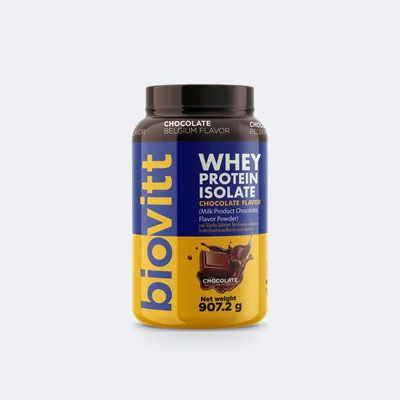
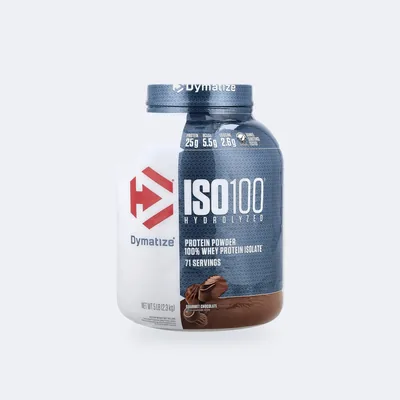
Whey comes from milk. NIDDK lists whey as one of the label words that signal lactose. Much of the lactose is removed from whey isolate during processing, so it has less lactose than whey concentrate and is the better choice for lactose intolerance. Amounts vary by product, so always check the label.
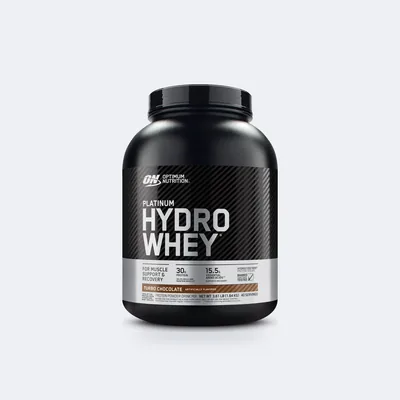
Hydrolyzed whey is whey whose protein has been partly broken down. Its lactose depends on the product, so check the label here too. NIDDK also says lactose-free or lactose-reduced dairy and lactase enzyme products may help, and advises talking to a doctor or dietitian before changing your diet.
Cow's milk allergy
This is a different problem. A milk allergy is an abnormal immune response to milk. The milk proteins behind it include both casein and whey. Lactose intolerance does not involve the immune system.
People with a milk allergy should avoid all whey, including isolate and hydrolyzed, because it is still milk protein. The alternative is plant protein; see protein for people allergic to milk, and read the allergen label every time. If you have a severe reaction (anaphylaxis), get emergency care straight away.
Quick summary
- Lactose intolerance: many people still handle some lactose; choose whey isolate and check the label
- Milk allergy: avoid all whey and choose plant protein
- Not sure which one you have: ask a doctor first