Do you need whey? Can it replace a meal?
Whey is not something everyone needs. It is milk protein as an easy-to-mix powder; whether it is worth it depends on whether your usual food already gives you enough protein. This page helps you work out which side you are on.
How much protein do you need?
The U.S. National Institutes of Health Office of Dietary Supplements (NIH ODS) gives a recommended intake of 0.8 g per kg of body weight per day for healthy adults, and says athletes may need 1.2–2.0 g. The ISSN uses 1.4–2.0 g for most people who exercise. A 60 kg person who does not exercise needs about 48 g a day; with regular exercise it is about 84–120 g.
Food comes first
NIH ODS says athletes who need more protein should get it from food first, then use protein supplements if needed. Mayo Clinic takes a similar view: meeting protein needs from whole foods is better, supplements build muscle no better than food, and they lack the other nutrients real food provides. The ISSN itself says people who exercise can get enough protein from food alone. Whey is a convenience, not a must.
When whey is worth it
- You count the protein from your food and still fall short, and adding more food is hard
- You want something quick and portable after training or on a rushed morning
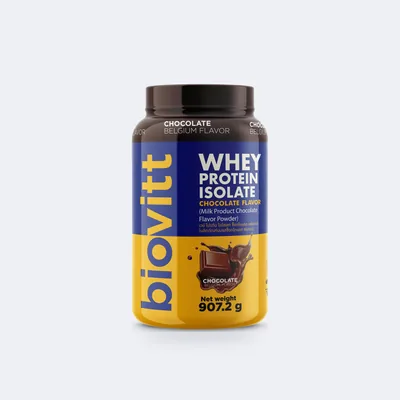
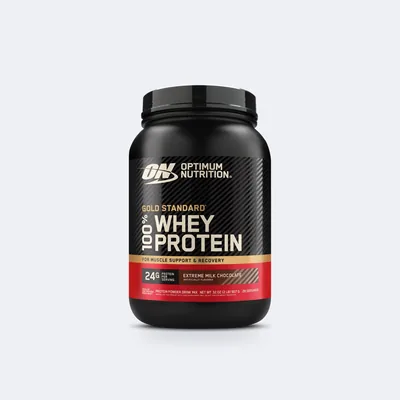
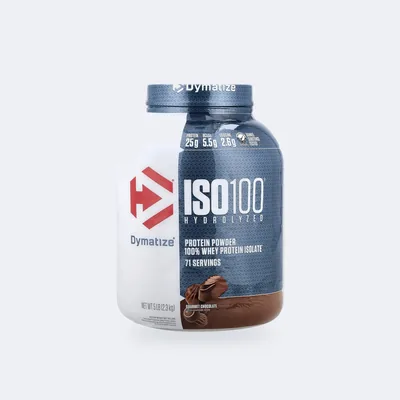
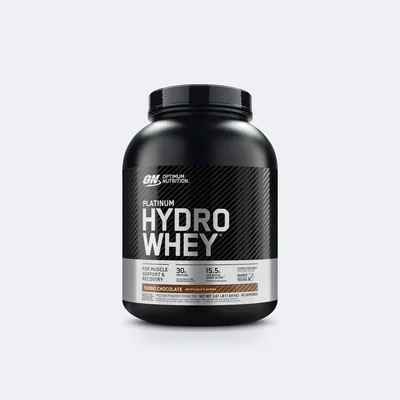
- Per gram of protein it costs no more than the food you eat now. The best value in our store right now is Ultimate Nutrition Prostar 100% Whey at 1.17 baht per gram; compare it with your own food using the price-per-gram calculator
Can whey replace a meal?
By the labels in our store, a scoop of whey gives 18–36 g of protein from only 80–220 kcal, mostly from protein. A meal brings carbohydrate, fat, fibre, vitamins and minerals as well. Mayo Clinic advises that protein should not be the whole meal and should be paired with vegetables, fruit and whole grains. Whey can be part of a meal, such as a shake alongside breakfast, but it is not made to replace one. Products designed as a complete meal are complete-nutrition formulas; the difference is explained in Boost and Ensure vs whey protein.
Who should ask a doctor first
People with kidney disease, or anyone told to limit protein, should ask a doctor or dietitian before starting whey. Details and how to work out scoops are in how many scoops of whey a day.
Quick summary
- Not needed by everyone; food can give you enough protein
- Whey helps when food alone falls short of your target
- It is not a meal replacement; have it with other food
Sources
- NIH Office of Dietary Supplements: Dietary Supplements for Exercise and Athletic Performance (protein section)
- Mayo Clinic News Network (15 Jun 2023): Mayo Clinic Q and A, protein needs for performance
- Jäger R, et al. (2017). International Society of Sports Nutrition Position Stand: protein and exercise. J Int Soc Sports Nutr 14:20